




By 2025, the volume of global data created, copied, and consumed is expected to reach 181 zettabytes. However, because of the popularization of remote work (caused by the Covid-19 pandemic), how we produce, use, and protect data has changed. Thus, we can expect to outpace initial predictions.
Most of this raw data will require sorting and labeling. Old conventional methods of manually annotating data have become too time-consuming and inefficient. Of course, this is largely due to the amount of data companies are tasked to process. Today, we require more reliable and effective techniques. Artificial Intelligence and machine learning can provide us with these tools. This guide will explore how we can use machine learning to label data.
What is Data Labeling?
Data labeling describes the process of tagging and annotating data. This data can be in media files such as images, videos, or audio. Alternatively, it can consist of text or text files. Data labels often provide informative and contextual descriptions of data. For instance, the purpose of the data, its contents, when it was created, and by whom.
This labeled data is commonly used to train machine learning models in data science. For instance, tagged audio data files can be used in deep learning for automatic speech recognition. In a business context, labeled marketing data can be used with machine and deep learning models to produce more effective sales productivity tools and software.
How is Data Currently Labeled?
Traditionally, data labels are first provided through human input. For instance, human labelers may be asked to describe the contents of an image file. Depending on the complexity and purpose of the machine learning model involved, responses for labels can range from being highly detailed to binary – consisting of an on/off or yes/no answer.
This data is then fed to the machine learning model to train it to recognize patterns. The process of teaching machine and deep learning models is known as model training. Even established machine learning models can be retrained using new labeled data.
The three most common types of data models and fields that use labeled data are:
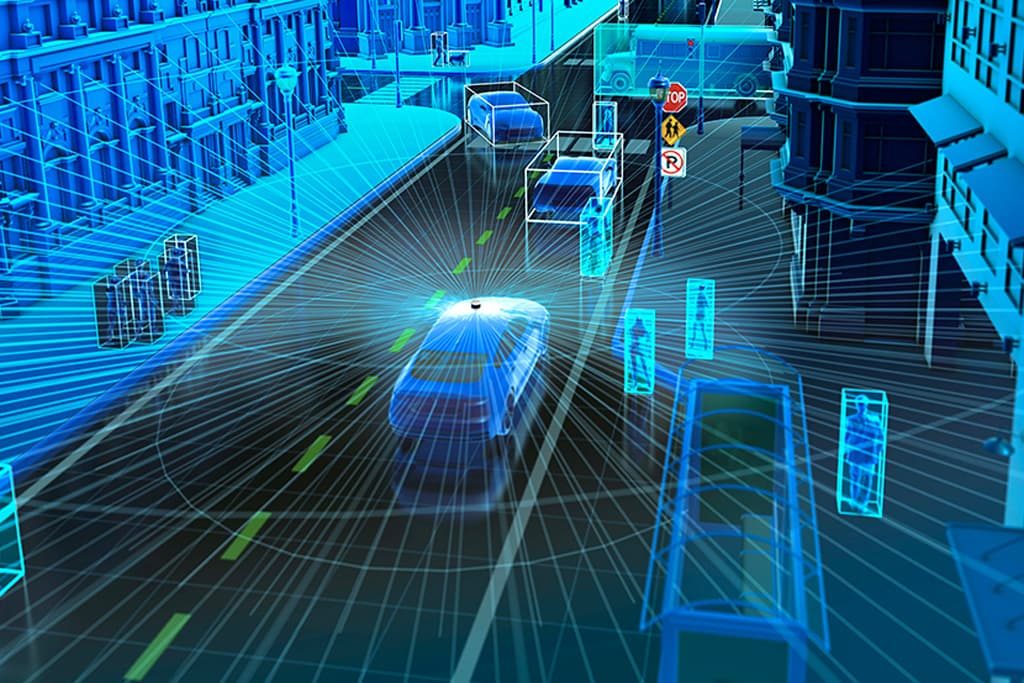
- Computer Vision (CV): A field of study in machine learning that teaches computers to recognize and interpret images. Computer vision models use labeled visual data to help identify imagery or recognize patterns. For instance, a computer vision model trained to distinguish bird species should first be fed labeled image data accompanied by helpful descriptors.
- Natural Language Processing (NLP): A field of study concerned with teaching computers how to recognize and understand written and spoken speech. Currently, the most mainstream use for NLP is in predictive text for writing assistants. Some NLP companies acquire user app data for their final datasets (recorded when users interact with writing assistants and other apps). However, this data still has to be annotated and sorted in some cases. Often, this is initially done by human operators.
- Audio Processing: A field of machine learning concerned with teaching machines to recognize and identify sounds. This audio can range from music to wildlife noises. A good example of a commercial application that uses audio processing algorithms is Shazam – a mobile phone app that identifies songs by recording them. At first, human labels will be tasked to label and categorize certain sounds and noises. If the audio in question is made up of speech, labels may be required to transcribe it.
Downsides of Using Human Labelers
As we’ve previously mentioned, data labeling requires human operators (at least traditionally). However, there are a few downsides to this.
It’s expensive and time-consuming
To train and test your machine learning model competently, you need a large data repository, especially for large projects. In the beginning, not all of it will be high-quality data.
Thus, some of it will need to be sorted before it’s finally labeled and used for training. This process is extremely time-consuming and expensive – especially when done manually. Once the data is prepared, it can ultimately be marked and annotated by human labelers. This process can also be costly and cumbersome, adding to final overheads.
Prone to human error
In data science, context, consistency, collaboration, and accuracy are key. Data labeling can be tedious and repetitive. This unfortunate fact can make it easier for data labelers to lose interest and make mistakes. Large and diverse datasets may require constant context switching, which may be detrimental to a labeler’s concentration.
While there are ways and strategies to minimize cognitive overload and eventual burnout, these can’t guarantee error-free labeled data. You still have to contend with human biases and mistakes. Furthermore, applying strategies such as auditing may assist in ensuring the validity of data labels, which is time-consuming too.
How Machine Learning Can Help
It seems a bit recursive because the entire point of data labeling is to create datasets to train machine learning models. However, the data labeler doesn’t necessarily have to be human. There are fives ways you can label data:
- Internal human labeling: Involves using in-house data labelers.
- Synthetic labeling: Involves labeling data by using old, established datasets.
- Programmatic labeling: Involves using scripts and coded algorithms to automate the data labeling process.
- Outsourcing: Using freelancers or companies that specialize in data labeling. These companies may employ their own tools for labeling.
- Crowdsourcing: Involves using surveys and platforms to gather and label data from everyday users (non-data scientists and professionals). Although, crowdsourcing is more effective in clustering data.
Each of the above methods has its pros and cons. However, we can use machine learning to get around some of these downsides and disadvantages. For instance, we don’t have to completely replace internal human labeling with a machine learning or AI solution. We can implement a machine learning model to help sort and prepare the data. We can train a machine learning model to separate high-quality data from excess data. Furthermore, we could implement another machine learning model to validate and audit data labels after data preparation.
We can use active learning models to help remove any extra or non-essential descriptors. Essentially, machine learning can reduce human error and the time it takes for human labelers to process datasets.
Synthetic labeling requires a database of established labels to annotate new data. This method can be done with statically coded algorithms or a machine learning model. Nevertheless, the latter is the most efficient – especially for larger projects. It involves first training the machine learning model with already established datasets and labels from humans. Once it is tested and reaches competency, it can label new raw data. Synthetic labeling using machine learning eliminates the need for human labelers.
Because there are thousands of machine learning models and projects, your company doesn’t have to build the machine learning model in-house. You can modify and use an open-source machine learning library or project. A litany of established models probably already caters to your data labeling needs. Some crowdsourcing platforms already use machine learning to help identify the best candidates for projects. Or, you can use software like Datasaur to automate the labeling process.
Key Takeaways
As companies endeavor for more accurate data and data labeling, it’s evident that they can no longer rely solely on human interaction to achieve this. This fact doesn’t imply that human labelers are obsolete, but as the nature of data and its processing continues to change, how we sort and annotate it must change too.
We can slowly enforce new machine learning-based protocols and features to ensure the accuracy of both the data and its labels. Data science is an ever-evolving field with constant advancements and breakthroughs. However, this is great news (at least partially) because you aren’t left out in the wilderness. There are well-established machine learning data-labeling platforms to help your company migrate from its reliance on classic human labeling.


